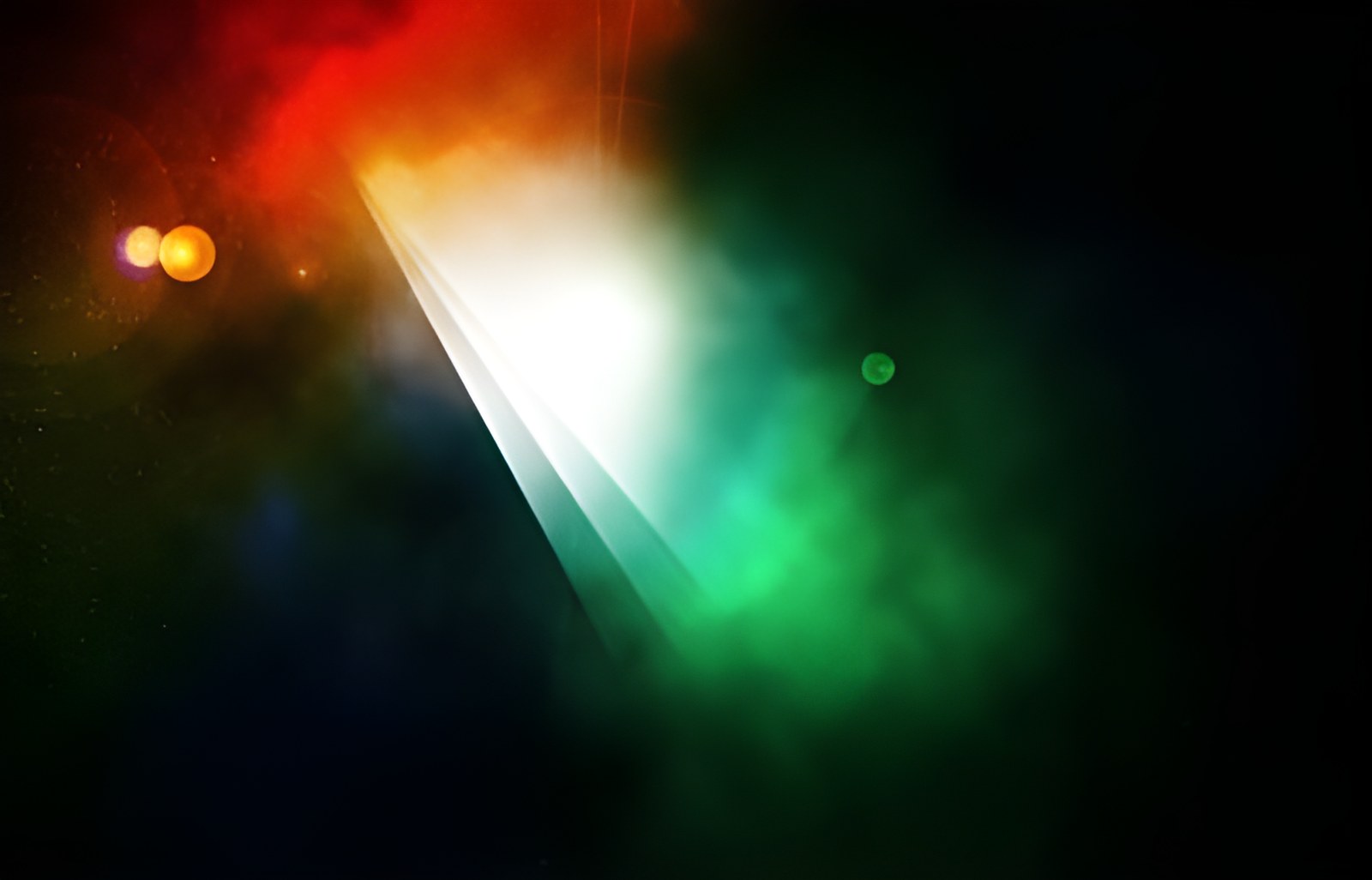
Colours are gradations in the frequency of light, which is cosmic energy. We can tell them apart because light exists.
Science has long shown that colours, as an “energetic effect”, have a considerable influence on human psychology. By looking at the three primary colours, we can see the properties and psychological effects each one has.
Blue: Blue is classed as a cool colour. It creates the illusion of receding and moving away. Its main emotional quality is coolness. Blue suggests the heavens, truth, eternity, devotion, peace, loyalty, purity, pride, wisdom, quiet and relaxation, and it is associated with meditation.
It has a soothing effect on the central nervous system, suppresses metabolism and slows the pulse in cases of illness. It symbolises stability and stands for complete calm, order and serenity. It is regarded as the colour of the Spirit.
Red: Every characteristic of red is a superlative. It has the longest wavelength but the lowest energy. It is the warmest colour. It is the first to be perceived by the senses, which is why it is used as a warning of danger. It has the strongest emotional effect. It provokes irritation and warmth.
Its nature is masculine and aggressive. It is considered majestic and aristocratic but is also the colour of revolution and reaction. It stirs intense emotions, from love and vigour to lust, anger and joy. Red is purely the colour of matter.
Yellow: As a colour, yellow is neither warm nor cool, but shows itself now with its warm qualities and now with its cool ones, depending on its surroundings and its hue.
It symbolises the colour of the sun and is therefore the colour of brightness, wealth, activity, joy and an inexhaustible source of energy. In terms of colour, it often takes the place of gold.
It gives an impression of sharpness and, combined with black, signals mortal danger. Its positive qualities symbolise life, truth, energy, activity and, above all, movement. Its negative qualities include cowardice, prejudice, persecution, illness and quarantine.
On the one hand it expresses true love, on the other hatred and betrayal. It is the middle colour, the middle way, and is identified with the Word and its attributes, as well as with the soul. In psychology it is interpreted as intelligence, innovation, high expectations and joy.
Red and yellow are the colours children prefer.
Although it is essential for stimulating activity, excessive use of yellow is tiring and causes a feeling of nausea. Its softer tones aid concentration and are essential in classrooms.
By Nikos Polidis
Interior Designer
(Polidis and Associates)