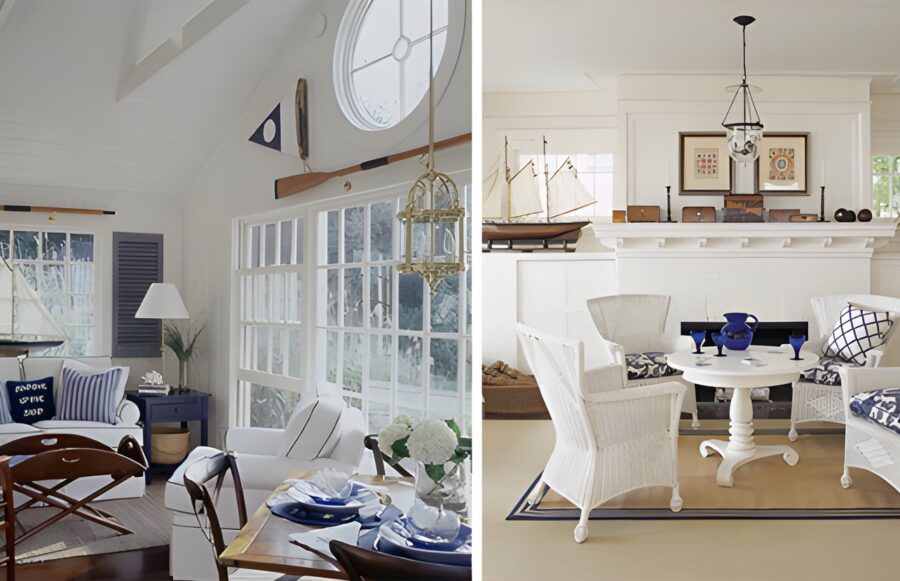
The living room is the part of the house where you and your family “live” and spend a large part of the day. It is where you welcome and entertain your friends. It is the space that, in essence, sets the look and style of your home.
The furniture in this room must therefore strike the perfect balance between comfort, elegance and functionality, since it is what you and your loved ones use and enjoy the most.
Given how important the living room is, buying furniture for it can be quite a challenge. There are so many options on the market that it is hard to pin down what you like and, above all, what you need.
Like any strategic move – and furnishing the living room is something of the sort when it comes to decorating your home – planning and preparation are everything!
That is why we have put together a useful guide with basic steps to help you choose the right furniture, so that your living room becomes a space you can enjoy at every moment.

1) Draw up a plan for your living room
Before you start looking for furniture, it is very important to have sketched out a plan of the room, even a rough one, showing its dimensions, free walls, windows and balcony doors, and any other features of the space that need to be taken into account (for example, if it is open-plan with the dining area). If you skip this preparatory step, you may end up with furniture that is too big or too small, or simply “doesn’t fit” the layout of your room.
You should also make a first estimate of the pieces you need, so that you avoid the disappointment of an empty room (although that can be remedied) or a cramped one, with your new furniture piled in.
To make your plan, it helps to use a few aids, such as ribbon, tape or something similar, to mark out the area where you are thinking of placing the sofa, the table and the armchair, depending on how you have envisaged the room. Once you have done that, stand at the edge of the room and picture the result. Is there enough space? Is too much of it left empty? Can you move comfortably between the marked areas? Unless you have an exceptionally large living room, the number of pieces of furniture should probably be somewhere between 3 and 5.
2) Make a shopping list
Now that you have a clearer picture of what your room needs, make a list of the pieces you want to buy. Specify the practical sizes for each piece, colour preferences and other such details, so that you have a more precise idea of exactly what you are looking for. With all the options on the market, it is quite easy to get carried away and lose sight of what you set out to find.
3) Set your budget
Before you visit furniture showrooms, it is very useful to have a sense of the total budget you can spend on furnishing the living room.
You can then make a first allocation, or estimate, of what you can spend on each piece on your list. That way you will have a better idea of roughly where your limit lies for each purchase. This does not mean, of course, that you cannot be flexible if you find a piece that exceeds the amount you had budgeted. It simply means that you will have to reduce the budget for the remaining pieces so that you do not go over the total amount available to you.
Once you have taken these three preparatory steps, you are on the right track and almost ready to hit the shops, because in practical terms you have worked out what you “need”. What remains is to be clear about what you “want” for your living room in terms of style, look and functionality.
Photo: www.casamania.gr