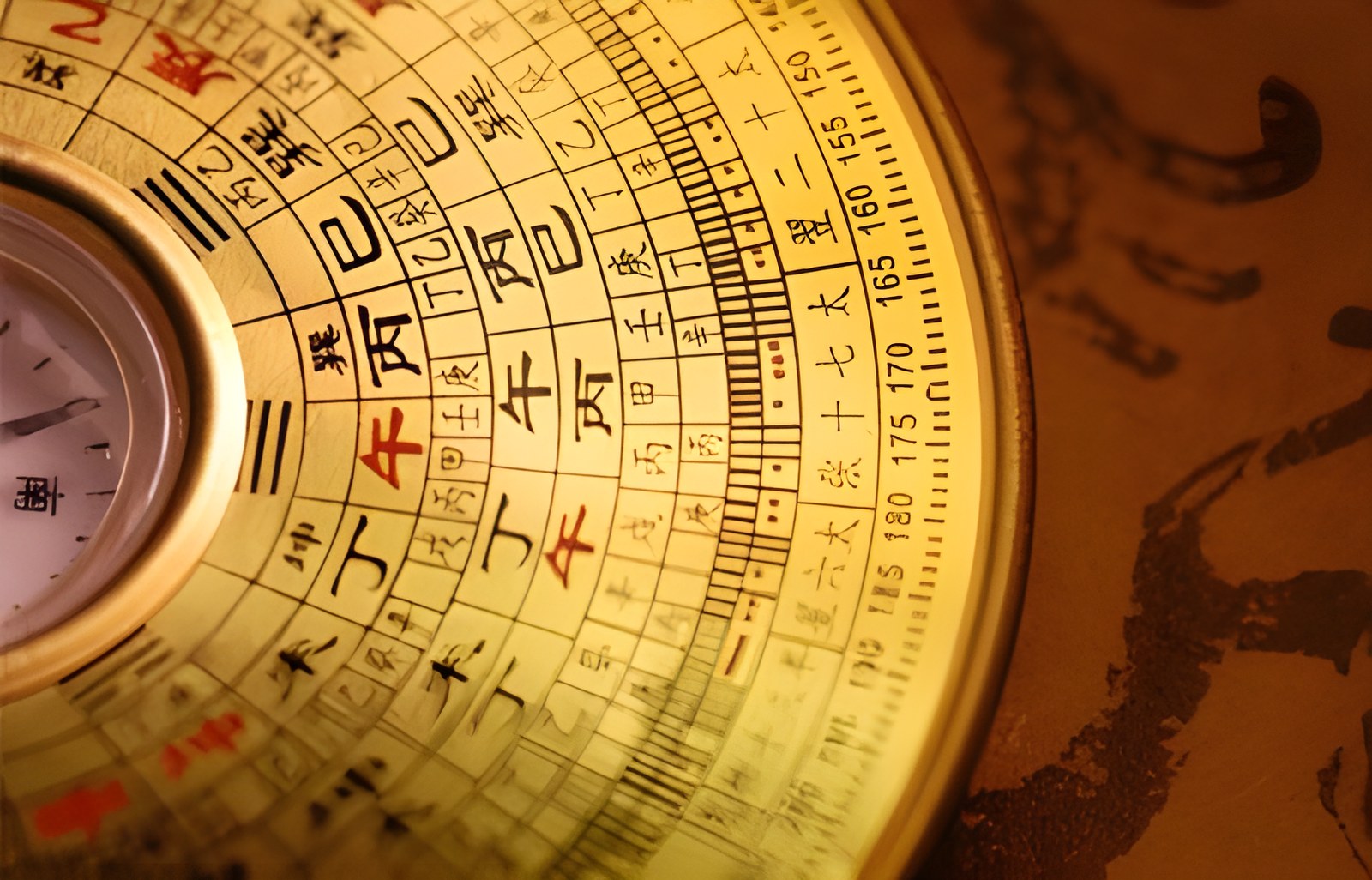
One Chinese term (Feng Shui) and one Ancient Greek term (Eu zin) point to the same basic truth: all the ancient civilisations were exploring the same truth, at different points in time and in response to different needs of humanity. We can see this in the similarities between their philosophy, their mythology, their poetry, their art and their symbols.
The concepts of Feng Shui and Eu zin are identical. Both refer to the deep knowledge of the philosophy, science and art of living in harmony.
The ancient Greeks and the ancient Chinese knew how to choose the site on which to build their monuments, their temples and their cities. They understood and applied harmonious layouts in their homes, and in their way of life more generally.
For those of us who live in the West, it makes sense to apply this knowledge adapted to the culture and mindset of the West, which is founded on the principles of ancient Greek civilisation.
The aim of applying Eu zin – Feng Shui is to achieve balance and harmony in every area of our lives and, by extension, to strengthen our health and wellbeing.
When we are in good health and good spirits, we activate good luck, prosperity and abundance in our lives.
Eu zin – Feng Shui is a holistic system of introspection and “healing of space” and of the self. It is based on the universal laws that govern our planet, and it works through the basic principles of philosophy, psychology and decoration.
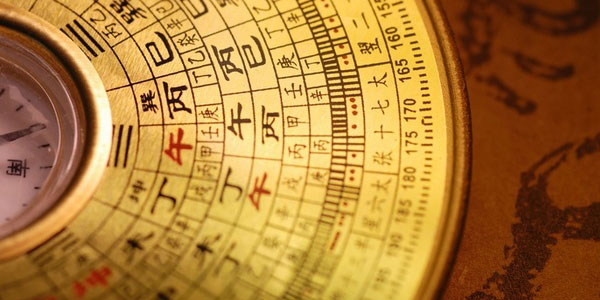
Eu zin is human-centred and intuitive, and it helps us become aware of our deeper relationship with the universe, with ourselves and with others.
We become aware of the interaction between our own inner energy and the energy of the space.
By studying the geophysical position and the floor plan of a space, the layout and arrangement of the furniture, the colours, the works of art and the decorative elements, we can assess the kind of energy the space has. Through this study we can discover ourselves, our needs, our beliefs, and the structure of our relationships with others and with nature.
Holistic Eu zin reveals the needs and problems of an individual, but also of a family, a company, a business or an organisation.
Eu zin does not stop at assessment and diagnosis. It proposes “cures” in the ancient Greek sense of the word, which means to care for, to balance, to help, to harmonise.
The proposed cures are accessible and easy to apply, and are adapted to the ancient Greek spirit and to the needs of the modern Greek.
It uses healing symbols that are in tune with the soul and spirit of the Greek people and the Greek way of life.
Modern holistic Eu zin is not based on dogma or prejudice. It takes into account all the factors that influence the people and the space of a country, such as the history of the place, its mythology, its traditions and customs, its religion, its habits, its way of life, its values, its beliefs, the country’s geophysical position, and its climate.
Beyond laws, rules and basic principles, however, the most important element of all is our own personal sense and opinion of the space. We should feel completely at ease and in harmony with the layout, the arrangement and the objects that surround us.
We need to find the golden mean between the basic principles of Eu zin and our personal needs.
If we let ourselves go with the flow of energy and engage in deep introspection, we can find harmony in our space more easily.
By Nikos Polidis
Interior Designer
(Polidis and Associates)