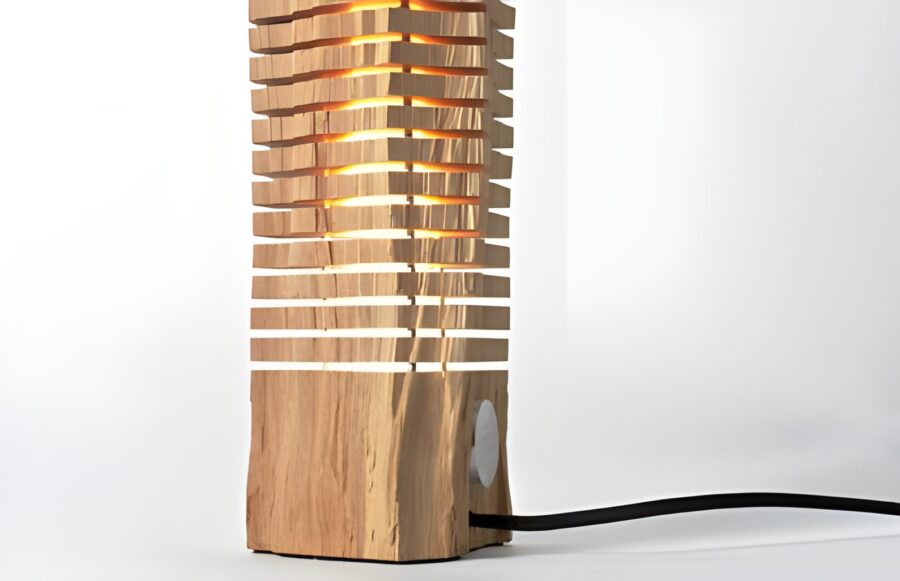
When we renovate and decorate a space, we usually go looking for furniture, colors, rugs and decorative objects. Yet lighting can have a major impact on the overall look of a room.
The lighting designer is responsible for the “atmosphere” of a space. Depending on the type, color or color temperature of the lighting in the room, very different effects can be created. The right lighting can shape mood, improve productivity and contribute to a sense of well-being. Bright rooms feel positive and optimistic, while darker ones feel intimate and romantic.
Good lighting design will spare you irritation in the kitchen, because you will be able to see what you are doing, and it will put an end to the bedroom dispute over who gets up to switch off the light. It should also be able to turn a room from a bright, lively living space into a setting for a romantic dinner for two.
Natural light streams in through windows and doors. Sunlight is considered the ideal light source, but its brightness and intensity vary. The time of day, the season and the weather all have a significant effect on natural light.
To control the amount of natural light and manage it, you can use various glass elements or curtains to diffuse or reflect it. A good idea is to find the wall that receives direct sunlight and paint it a bright color, because reflected light creates a beautiful atmosphere in rooms. Even the surface of the wall can affect how light is diffused, as rough surfaces produce different results from smooth ones.
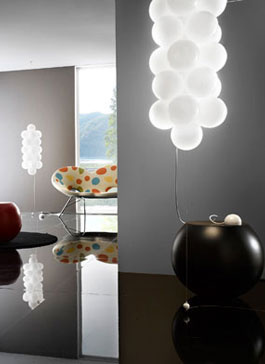
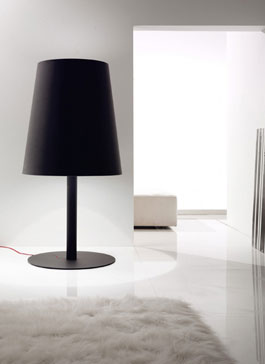
Artificial lighting can be defined as light that comes from any type of lamp. Every light source can be controlled in all its aspects, such as intensity, color and spread. To achieve the desired results in a space, you may need to use a combination of different types of lamps.
With simple changes to the position of the light sources, you can alter the look of a room and make it seem larger or smaller. Rooms with high ceilings can be given a warmer feel by placing the sources low and trying to keep the light from spilling above the height at which they are mounted. The reverse, directing the light upward, makes the room look taller.
Floor and table lamps are ideal for lighting specific parts of a room. In areas where you want to read, lamps should be placed behind your shoulder.
As for decorative lighting, “touches” of light on corners and furniture enhance the atmosphere and draw attention to particular spots. A beautiful light fixture will also “add” to your interior decor, even when it is switched off.
So let us not forget that lighting is just as important in interior decoration as colors, furniture style and accessories. Poor lighting can ruin your entire project, whereas the right lighting will enhance the visual result.
Text: Giorgos Konstantinidis
Source: http://e-articles.info/
Photos: Demajo, Vesoi