We have often discussed what a lighting design is and who is entitled to use that title for the service they provide. Today it is a given that lighting design should be kept separate from the commercial side of a project. Even so, many commercial companies have trained staff who draw up lighting proposals on the company’s behalf. These proposals, which are theoretically lighting designs, are offered by the companies free of charge as part of the sale of their luminaires.
The question of whether lighting design is a technical tool or a sales tool today can only be answered by looking at the criteria the designer applies in their work: whether they focus on the visual and lighting-engineering result, or on the turnover it will bring the company that pays them.
Moreover, because there is no “lighting culture”, a so-called designer is more at risk of a client complaining that a space doesn’t have enough light than of it being overlit. So, in everyone’s ignorance, problems are usually solved by “burning out” the surfaces with overlighting.
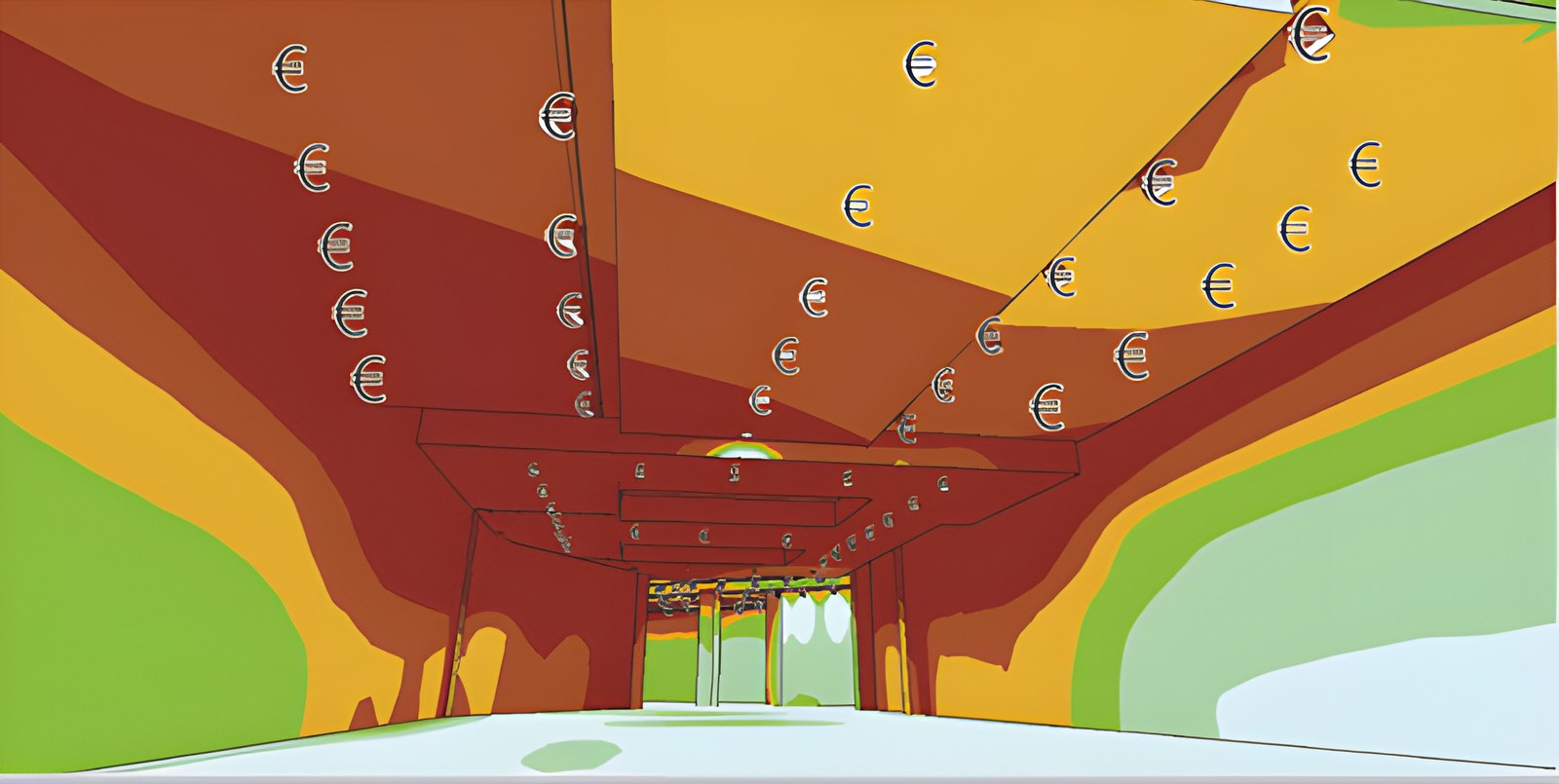
As long as lighting design has not become part of the culture of architects or end users as something important and necessary, its added value will be compensated for by the sale of luminaires. Besides distorting the result, this dependence is certainly not a sound arrangement, since the user ends up paying for more luminaires and more energy than they need.
Text: Miltiadis Psyllias
miltiades@flashlight.gr