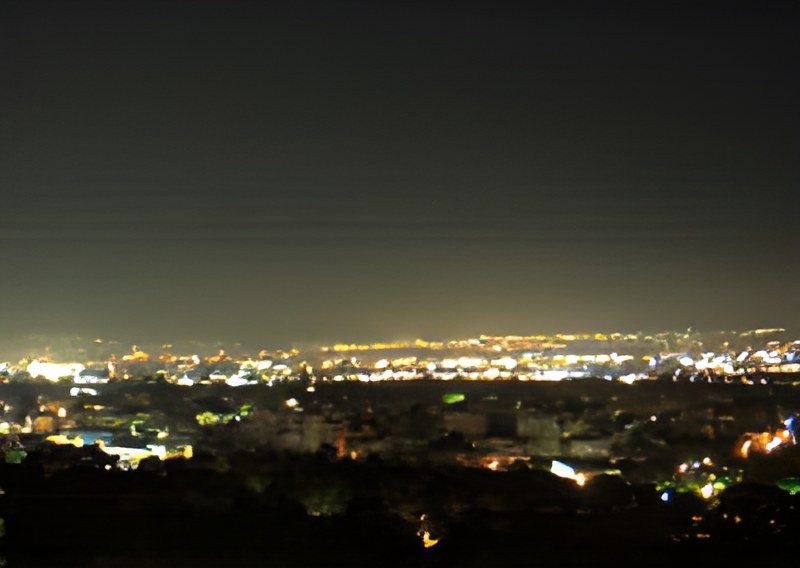
Light pollution is yet another side effect of industrial civilisation!
It is the excessive, indiscriminate and needless light produced by the poor choice and thoughtless use of luminaires to meet the needs of modern society.
Light pollution comes from the exterior lighting of buildings, advertising signs, shops, offices, factories, traffic lights, street lighting and many other applications that serve the needs of our everyday lives. It is a phenomenon found in every densely populated area of the planet.
Among other things, the effects of light pollution include:
Reckless waste of energy
If we consider that lighting accounts for a quarter of all the energy consumed worldwide, and that studies show that usually 50% to 90% of the light used is unnecessary and pointless, we can begin to grasp the scale of the energy waste this phenomenon causes.
It is precisely because of the importance of this not-so-widely-known issue that governments, working with organisations and companies, signed the Kyoto Protocol and have been seeking ways to reduce energy consumption ever since.
Disruption of the ecosystem
Since life evolved according to the natural patterns of day and night, the disruption of natural balances caused by the needless and thoughtless production of light inevitably affects many aspects of animal and human behaviour.
Adverse effects on health
Many medical studies point to the effects on the human body of excessive, or even slight, exposure to too much or unsuitable light, and sound the alarm about the adverse consequences for health.
The health effects of over-lighting or of an inappropriate spectral composition of light include increasing headaches, fatigue, rising blood pressure, reduced sexual function and heightened anxiety. In addition, various published studies link women’s exposure to light at night with breast cancer, owing to the suppression of the normal nighttime production of melatonin (a hormone).
Interference with the normal operation of astronomical observatories and loss of visibility of the stars for city dwellers
Taking into account the above aspects of light pollution, it is easy to see that properly studying the functional and aesthetic lighting needs of a given space is not a luxury but a necessity.
For this reason, experts always stress the importance of suitable lighting for interior spaces.