There is one word that aptly describes the development of LED technology: FAST.
The pace of progress in LED technology today recalls the rapid development of computer processors in the 1980s. Every six months, manufacturers bring a new generation to market.
Over the next few years, LEDs are set to become the most important light source, bringing radical changes to lighting. As we have noted in previous articles, they have many advantages over traditional light sources, such as an exceptionally long service life, very low maintenance costs, a choice of colours and low heat output. One thing that has not generally been mentioned, and which was pointed out in an article we read in the latest XAL company magazine, is the flexibility that their size gives lighting design.
The main benefit promoted in recent years may be their energy efficiency, but it is their size that opens up new paths in lighting design, with new parameters and new applications.
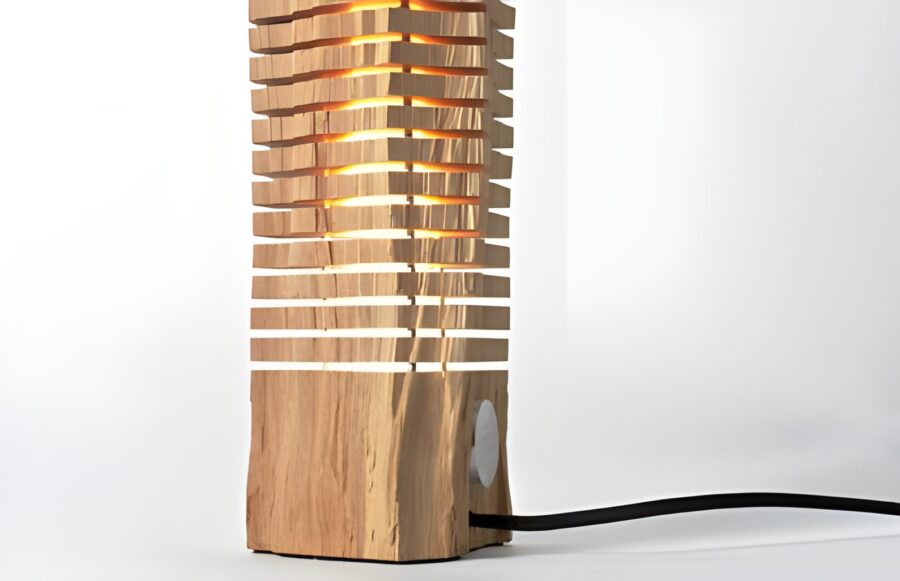
The size of an LED saves an exceptional amount of space. Lighting can now be integrated into furniture, shelving and small recesses, in places where, only a few years ago, this would have been “science fiction”.
Lighting today is becoming more atmospheric by concealing the sources within the space, giving the impression that the light comes from nowhere and producing striking and meaningful results. It no longer simply meets basic needs; it has become a plaything in designers’ hands, where the only limit on what can be created in a space is their own imagination.
Finally, it is worth noting that LED technology is in its adolescence, which means we can expect even greater developments.
CARTEL (Restaurant – Dance place), Greece
Lighting Designer: Dimitris Nasikas
System: RGB LED system, Tridonic Atco
RYSER (Optical Store), Switzerland
Photo: Uwe Spoering, Cologne
Lighting Designer: Heikaus, Mundelsheim
System: NANO Power LED system, XAL